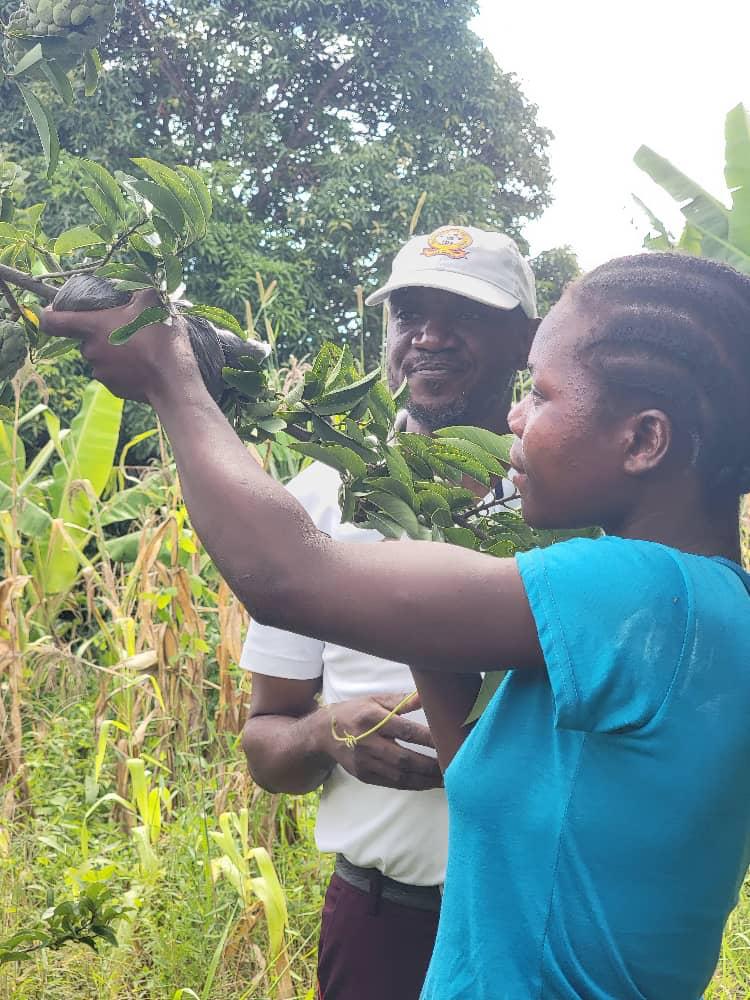
The BECOME Project aims to strengthen community structures to take a leading role in promoting improved nutrition and good hygiene practices in community schools and surrounding communities.
Project Overview
Launched in 2016 and still active, BECOME recognizes that child malnutrition — particularly stunting — is driven by economic, socio-cultural, and environmental factors. The project addresses immediate causes such as inadequate dietary intake and disease by combining nutrition-sensitive interventions with sustainable agriculture and WASH initiatives.
Where We Work
The project is implemented in Chipangali and Lumezi districts of Eastern Province, targeting:
- 20 community schools (10 in each district)
- 80 surrounding communities (40 in each district)
Of these, 8 schools and 32 communities were previously supported under BECOME II, while 12 new schools and 48 communities have been added. Overall, the project aims to benefit 14,795 people, including 5,000 poor and vulnerable children attending community schools.
Project Approach
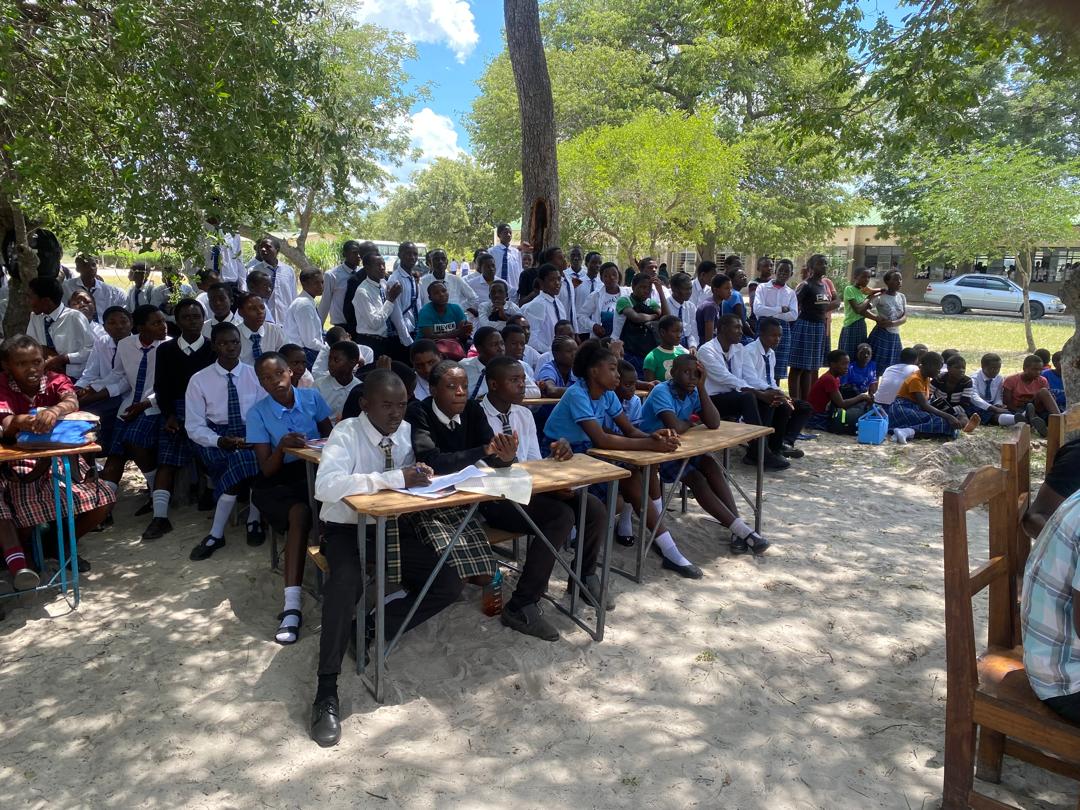
BECOME promotes homestead food production and improved consumption practices to reduce child stunting and increase dietary diversity. Agriculture interventions are integrated with nutrition education and infant and young child feeding practices. Schools serve as key entry points for promoting nutrition, sanitation, and hygiene education, creating healthier learning environments while influencing household and community practices.
Strengthening Community Structures
A central focus is building the capacity of local structures to lead awareness, service delivery, and community ownership. These include:
- Mother Support Groups
- Community Health Workers
- WASH and Nutrition Clubs
- WASH Committees
- Savings and Agriculture Groups (SAG)
- Traditional and Church Leaders
- Community Champions
- Media partners
Gender Equality and Inclusion
The project actively promotes women’s participation in leadership and decision-making. Training and opportunities are provided equitably, while gender equality, disability inclusion, and environmental sustainability are mainstreamed across all activities.
Human Rights-Based Approach
BECOME is implemented using a Human Rights-Based Approach (HRBA), empowering rights holders and reminding duty bearers of their responsibilities to deliver essential services in education, safe water, sanitation, and health.
Support Healthier Communities
Your donation helps us continue improving nutrition, health, and WASH services for thousands of vulnerable children and families in Eastern Province.
Donate Now
